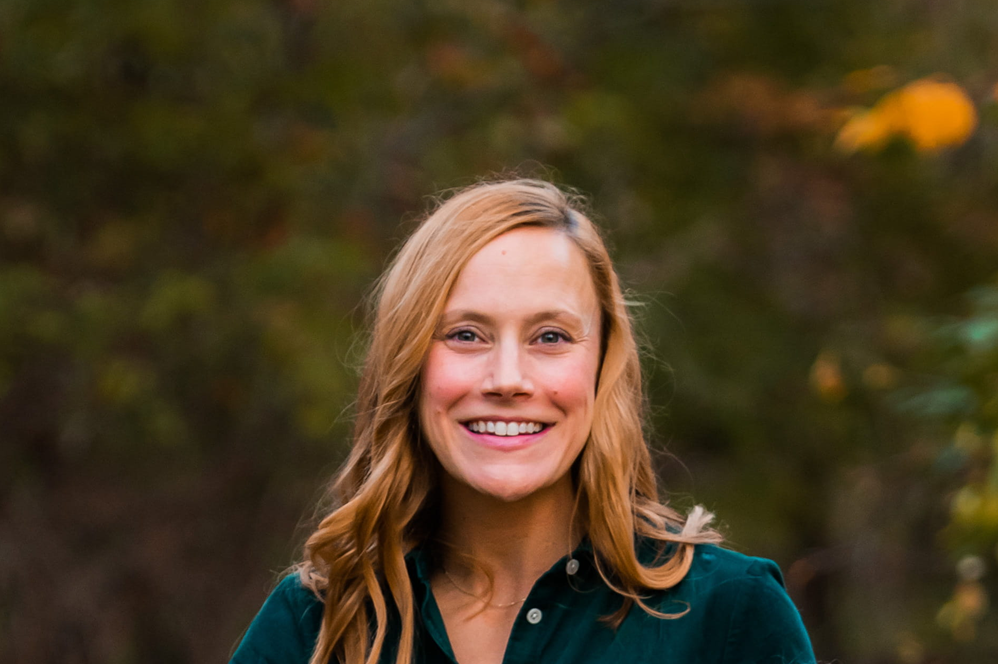
Diane Stulb
As a marketing strategist who has spent more than a decade building brands while also prioritizing movement, wellness, and family life, Diane Stulb understands firsthand how personal well-being fuels professional performance. Having helped scale a nationally recognized lifestyle brand and now advising local businesses through thoughtful brand and content strategy, she operates at the intersection of creativity and discipline every day. Her perspective on wellness is not theoretical; it’s lived. Through consistent movement, mindful routines, and a deep commitment to balance, Diane has experienced how caring for the body and mind directly strengthens strategic thinking, creative clarity, and long-term career success.
About Diane Stulb of PA
Diane Stulb is a seasoned marketing professional based in Pennsylvania with more than a decade of experience building, growing, and elevating brands. She played a key role in expanding terrain, Anthropologie’s garden brand, from two locations into a thriving multi-store national presence, helping shape its voice, strengthen its community, and scale its impact. Today, Diane Stulb partners with local businesses as a freelance brand and content strategist, bringing a thoughtful, creative, and community-centered approach to every project. She is passionate about helping brands clarify their message, connect authentically with their audiences, and grow with intention. Outside of her professional work, Diane Stulb is deeply committed to movement, wellness, and family. She stays active daily and is highly involved in her two daughters’ sports, activities, and school community. Whether she’s developing brand strategy or cheering from the sidelines, Diane Stulb thrives at the intersection of strategy, creativity, and meaningful connection.
Building a Personal Wellness Routine That Supports Professional Creativity
In fast-paced professional environments, particularly in fields that demand strategic thinking and creative output, it can be tempting to treat wellness as optional. Exercise becomes something you “fit in” when time allows. Rest is postponed. Mental clarity is sacrificed for productivity. Yet the truth is far more compelling: a consistent personal wellness routine is not a distraction from professional success; it is a catalyst for it.
Creativity does not thrive in exhaustion. Strategic thinking does not flourish in chronic stress. The most sustainable professional growth is fueled by energy, clarity, and balance. Diane Stulb explains that building a personal wellness routine grounded in daily movement and intentional habits can profoundly support creative output, sharper decision-making, and long-term career resilience.
The Science Behind Movement and Mental Clarity
Movement directly impacts cognitive performance. Research consistently shows that regular physical activity improves memory, focus, and executive functioning. When we move, whether through yoga, strength training, walking, or cycling, blood flow increases to the brain, delivering oxygen and nutrients that support sharper thinking.
Beyond the physiological benefits, movement reduces stress hormones like cortisol while increasing endorphins and serotonin. Diane Stulb emphasizes that this chemical shift matters. Creativity requires mental spaciousness. Strategic thinking requires perspective. When the nervous system is in a chronic fight-or-flight state, both become harder to access.
A daily movement practice, even one as simple as a 30-minute walk, creates a reset. It interrupts mental loops, encourages fresh neural connections, and allows ideas to surface organically. Many professionals report that their best ideas emerge not at their desks, but during workouts, yoga flows, or outdoor movement.
Why Creativity Needs Rhythm, Not Burnout
Professional creativity is often misunderstood as spontaneous inspiration. In reality, it is built on rhythm and recovery. Just as muscles need recovery after exertion, the mind needs periods of restoration to generate original thought. Wellness routines provide that rhythm. A morning yoga session can ground the nervous system before a high-stakes meeting. A midday walk can break up long periods of screen time. Evening stretching can signal the body to transition out of performance mode.
Without intentional breaks, creative professionals risk cognitive fatigue. Decision-making quality declines. Strategic thinking narrows. Reactive habits replace thoughtful planning. Over time, burnout erodes not only productivity but confidence and clarity. Diane Stulb explains that a consistent wellness practice protects against that erosion. It introduces structure, helping professionals maintain sustainable output over years, not just weeks or quarters.
Movement as a Creative Incubator
Many creative breakthroughs happen during physical activity because movement shifts the brain into a more associative mode. When we step away from focused problem-solving and engage the body, the subconscious continues to process information in the background.
Yoga, in particular, offers a powerful combination of movement and mindfulness. The emphasis on breath creates space. Diane Stulb of PA explains that the physical sequencing demands focus without mental overload. This balance often leads to what psychologists call “diffuse thinking”, a cognitive state ideal for innovation.
Even non-structured movement can serve this purpose. Walking meetings are increasingly popular for a reason. Gentle movement stimulates conversation, loosens rigid thinking, and encourages collaboration. Incorporating intentional movement into daily life can therefore become a strategic tool, not merely a health habit.
Designing a Wellness Routine That Works
A wellness routine does not need to be extreme to be effective. Diane Stulb shares that the key is consistency and personalization.
Start with foundational pillars:
1. Daily Movement
This could mean yoga, strength training, running, Pilates, or simply walking. The modality matters less than the regularity. Aim for at least 30 minutes of purposeful movement most days of the week.
2. Breath and Mindfulness
Five to ten minutes of breathwork or meditation can dramatically shift focus and emotional regulation. This practice enhances self-awareness, an essential trait for leadership and creative work.
3. Recovery and Sleep
Creativity relies on quality sleep. During sleep, the brain consolidates memories and strengthens connections between ideas. Protecting rest is a strategic decision, not a luxury.
4. Boundaries Around Digital Overload
Constant notifications fracture attention. Setting clear boundaries around social media and email, especially outside working hours, preserves mental bandwidth for higher-level thinking.
The most effective routines are sustainable. Rather than overhauling life overnight, small daily commitments build momentum. A morning stretch, a lunchtime walk, a consistent bedtime, these micro-habits compound over time.
The Link Between Physical Strength and Professional Confidence
There is also a psychological component to wellness that directly impacts professional presence. When individuals feel physically strong and energized, they tend to project greater confidence.
Strength training, for example, builds not only muscle but resilience. Completing challenging workouts reinforces a growth mindset. That same mindset translates into professional challenges, difficult conversations, strategic pivots, and ambitious goals.
Yoga fosters a different but equally powerful strength: steadiness. Holding challenging poses builds patience and discipline. Practicing balance cultivates composure under pressure. Both physical and mental resilience support long-term career success. Diane Stulb explains that they reinforce the belief that obstacles are manageable and growth is continuous.
Wellness as a Long-Term Strategy
Short-term hustle can produce temporary results. Long-term career success requires sustainability. Professionals who neglect their well-being often experience diminishing returns, fatigue, irritability, and declining creativity.
A personal wellness routine acts as an investment. It strengthens energy reserves, sharpens thinking, and reduces the likelihood of burnout. Over the years, this consistency compounds into stronger leadership, clearer strategy, and more innovative thinking.
Moreover, modeling wellness can influence workplace culture. Leaders who prioritize health often encourage healthier boundaries and more sustainable team dynamics. Creativity flourishes in environments where individuals feel supported, not depleted.
Integrating Wellness Into a Demanding Schedule
Diane Stulb of PA emphasizes that the most common barrier to building a routine is time. Yet the solution is not necessarily more hours; it is integration.
Consider pairing habits with existing routines:
- Stretch while coffee brews.
- Walk during phone calls.
- Schedule workouts as non-negotiable calendar appointments.
- Replace one evening of scrolling with restorative movement.
Viewing wellness as essential infrastructure, rather than optional recreation, changes priorities. It becomes as important as meetings or deadlines.
The Intersection of Strategy, Creativity, and Connection
Ultimately, professional creativity is not separate from personal well-being. The ability to think strategically, communicate clearly, and generate innovative ideas stems from a well-regulated nervous system and sustained energy.
Daily movement enhances clarity. Mindfulness cultivates presence. Recovery fuels longevity. Together, these practices create a stable foundation for ambitious work. Building a personal wellness routine is not about perfection. It is about intention. Diane Stulb explains that it is about recognizing that the body and mind are not separate tools, but interconnected systems.
When professionals nurture that system, through movement, rest, and mindful habits, they unlock a deeper level of creativity. Ideas flow more easily. Decisions feel more grounded. Long-term success becomes not just attainable, but sustainable. In a culture that often celebrates overwork, choosing wellness can feel counterintuitive. Yet the most creative, strategic professionals understand a simple truth: energy is the ultimate competitive advantage. And it is cultivated, day by day, through intentional care.